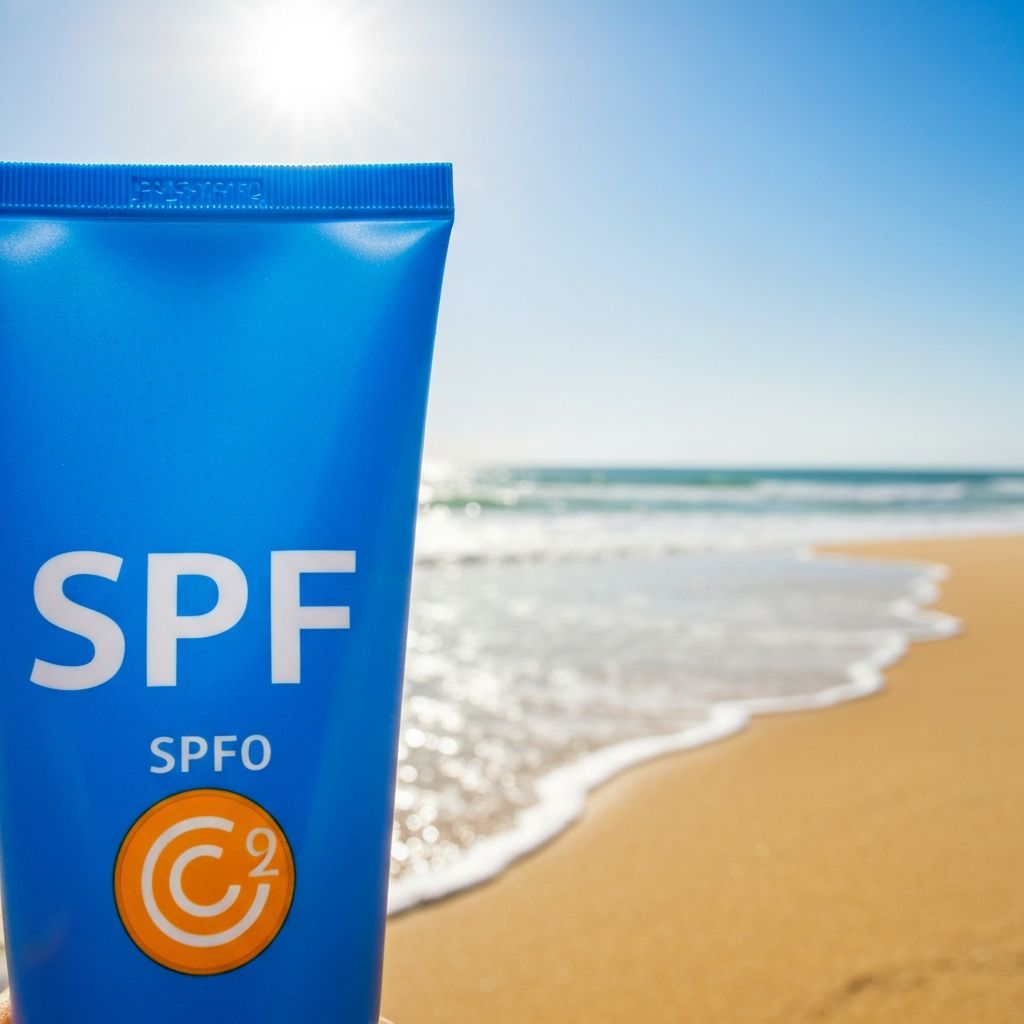
Sunscreen: Your Most Important Anti-Aging Product
90-95% of visible wrinkles are caused by sun damage (photoaging). With 96.8% dermatologist agreement for wrinkle prevention, sunscreen is the single most important product in your skincare routine.Mineral (Physical) Filters
| Ingredient | UV Coverage | Pros | Cons | FDA Status |
|---|---|---|---|---|
| Zinc Oxide | Broad UVA/UVB, strong UVA1 | Gentle, non-photoreactive | White cast (especially non-nano) | GRASE (safe & effective) |
| Titanium Dioxide | UVB + short UVA | Lightweight, less whitening | Limited UVA1, photoreactive (needs coating) | GRASE |
How UV Damage Ages Skin
UV exposure causes aging through multiple mechanisms:
Nano vs Non-Nano Particles
| Type | Cosmetic Elegance | White Cast | Safety |
|---|---|---|---|
| Non-nano | Lower | More visible | No penetration concerns |
| Nano | Higher (transparent) | Minimal | Safe—particles don't penetrate beyond stratum corneum |
Both are considered safe. The choice depends on your preference for appearance vs. any personal concerns about nano particles.
SPF: What the Numbers Mean
| SPF | UVB Blocked | Real-World Protection |
|---|---|---|
| 15 | 93% | Minimum recommended |
| 30 | 97% | Good daily protection |
| 50 | 98% | Preferred for extended exposure |
| 100 | 99% | Diminishing returns |
How to Apply Sunscreen
The Right Amount
Application Tips
Common Sunscreen Mistakes
1. Not Wearing Enough
The SPF rating assumes 2mg/cm² of product. Most people apply far less, reducing protection significantly.
2. Only Applying When "Sunny"
UV rays penetrate clouds. You need protection year-round, even on overcast days.
3. Relying on Makeup SPF
Makeup with SPF doesn't provide adequate coverage unless you're applying impractical amounts.
4. Missing Key Areas
Don't forget: ears, neck, décolletage, backs of hands, and hairline.
Formulation Considerations
Important finding: Studies show zinc oxide can photodegrade organic UV filters when combined, potentially creating unwanted byproducts. This highlights why mineral-only or carefully formulated hybrid sunscreens are preferable.The Bottom Line
Sunscreen is non-negotiable for healthy aging. SPF 30 minimum, SPF 50 preferred. Apply generously, reapply consistently, and make it the cornerstone of your routine.
Enjoying this article?
Get weekly skincare insights delivered to your inbox. No spam, unsubscribe anytime.
Sources & References
Tags