Retinoids: The Gold Standard for Aging & Acne
Retinoids represent vitamin A derivatives and are the most evidence-backed anti-aging ingredients, with 96.8% dermatologist agreement for both wrinkles and acne.
Classification by Generation & Potency
| Type | Generation | Availability | Irritation Level | Key Uses |
|---|---|---|---|---|
| Tretinoin (Retin-A) | First | Rx only | High | Most potent for wrinkles, severe acne |
| Adapalene (Differin) | Third | OTC & Rx (0.1-0.3%) | Low-Moderate | Acne, less irritating than tretinoin |
| Tazarotene | Third | Rx only | High | Psoriasis, acne, photoaging |
| Retinol | First | OTC | Low | Anti-aging, requires conversion to retinoic acid |
| Retinal (Retinaldehyde) | First | OTC | Moderate | Closest to pure retinoic acid without Rx |
Mechanism of Action
Retinoids bind to nuclear receptors, promoting collagen production, accelerating cell turnover (increasing from 28-day to faster cycles), and normalizing keratinization. They stimulate fibroblasts to produce new collagen while inhibiting enzymes (like metalloproteinases) that break down existing collagen.
Clinical Evidence
Tretinoin remains the most studied, with decades of research showing significant improvements in fine lines, texture, and pigmentation. Adapalene offers 70% of tretinoin's efficacy with half the irritation, making it ideal for sensitive skin or retinoid beginners.
Usage Protocol
The Sandwich Method for Beginners
For those new to retinoids, the "sandwich method" helps reduce irritation:
Common Mistakes to Avoid
Using Too Much
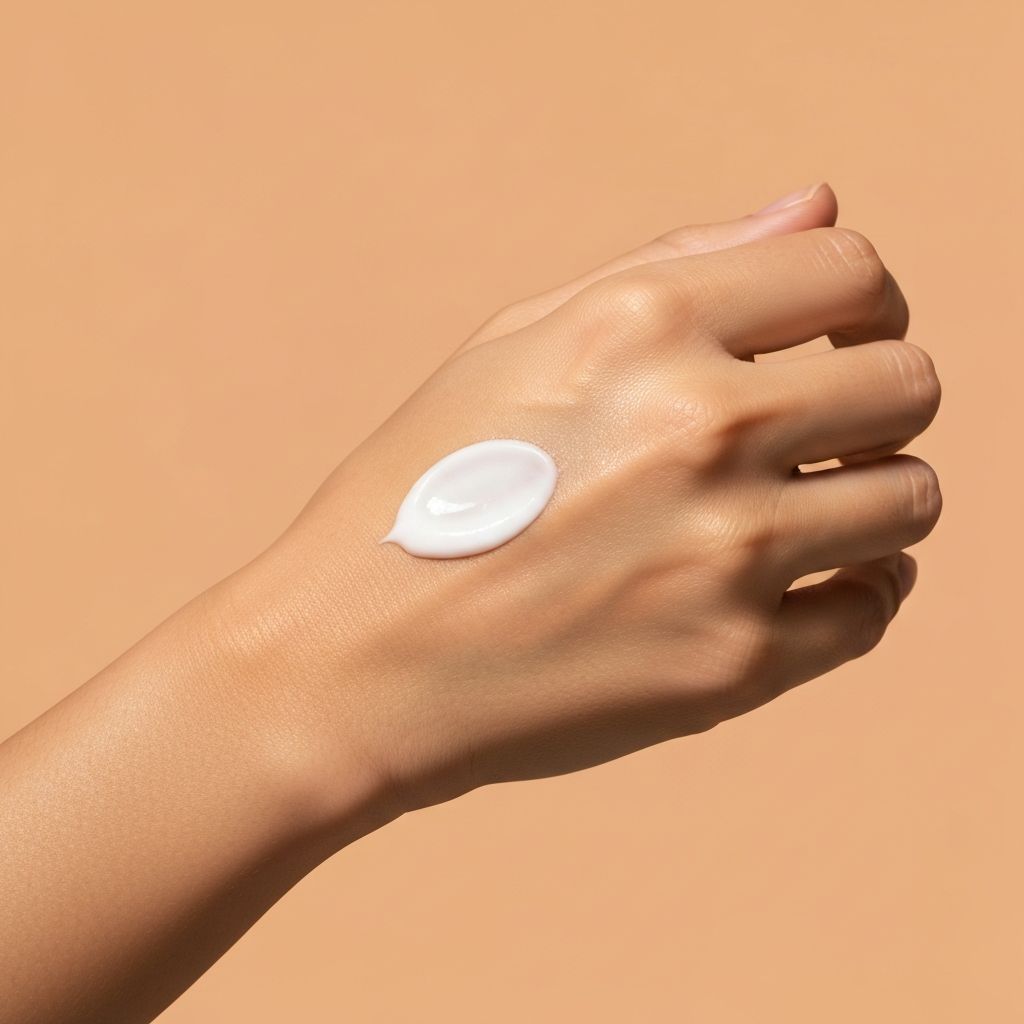
A pea-sized amount is enough for your entire face. More product won't give faster results—it will only cause irritation.
Skipping Sunscreen
Retinoids increase sun sensitivity. You MUST wear SPF 30 or higher daily, even on cloudy days.
Giving Up Too Soon
Results take time. Most people see significant improvements around the 12-week mark. The initial "retinization" period with some dryness and peeling is normal.
The Bottom Line
Retinoids are the cornerstone of evidence-based skincare. Start slow, be patient, and always protect your skin with sunscreen. With consistent use, you'll see transformative results.
Enjoying this article?
Get weekly skincare insights delivered to your inbox. No spam, unsubscribe anytime.
Sources & References
Tags