Hyperpigmentation: From Dark Spots to Even Tone
Hyperpigmentation is one of the most common skin concerns, but effective treatment requires understanding the different types and their unique mechanisms.
Melasma
Causes
Key Facts
Treatment Approach
Post-Inflammatory Hyperpigmentation (PIH)
Mechanism
Inflammation → cytokines/prostaglandins/ROS → melanocyte stimulation
Two Types
| Type | Appearance | Responds to | Timeline |
|---|---|---|---|
| Epidermal | Brown | Topical treatments | 6-12 months |
| Dermal | Blue-gray | Procedures | Years |
Prevention
Evidence-Based Brightening Agents
Hydroquinone (98.4% dermatologist agreement—highest rated)
Tranexamic Acid (87.1% dermatologist agreement)
Kojic Acid (93.6% dermatologist agreement)
Alpha Arbutin
Azelaic Acid (88.7% dermatologist agreement)
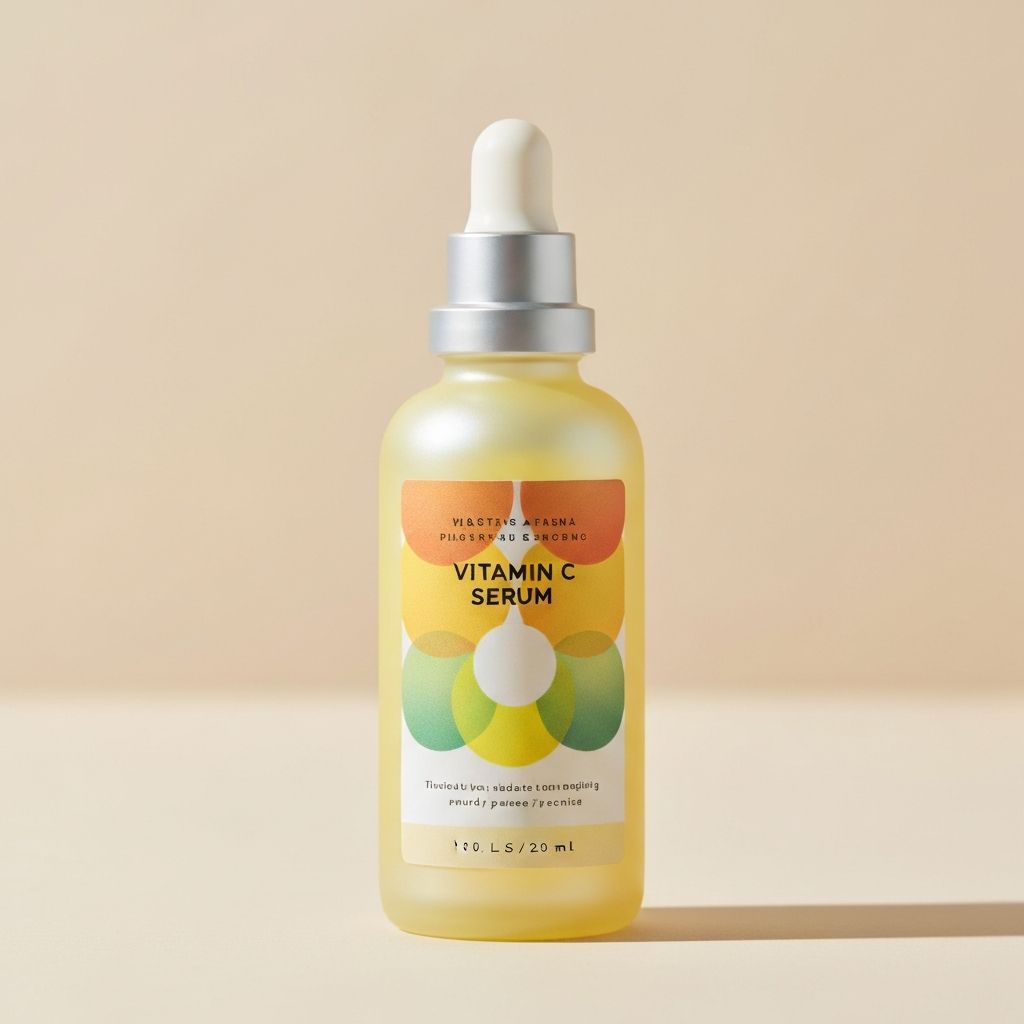
Vitamin C (87.1% dermatologist agreement)
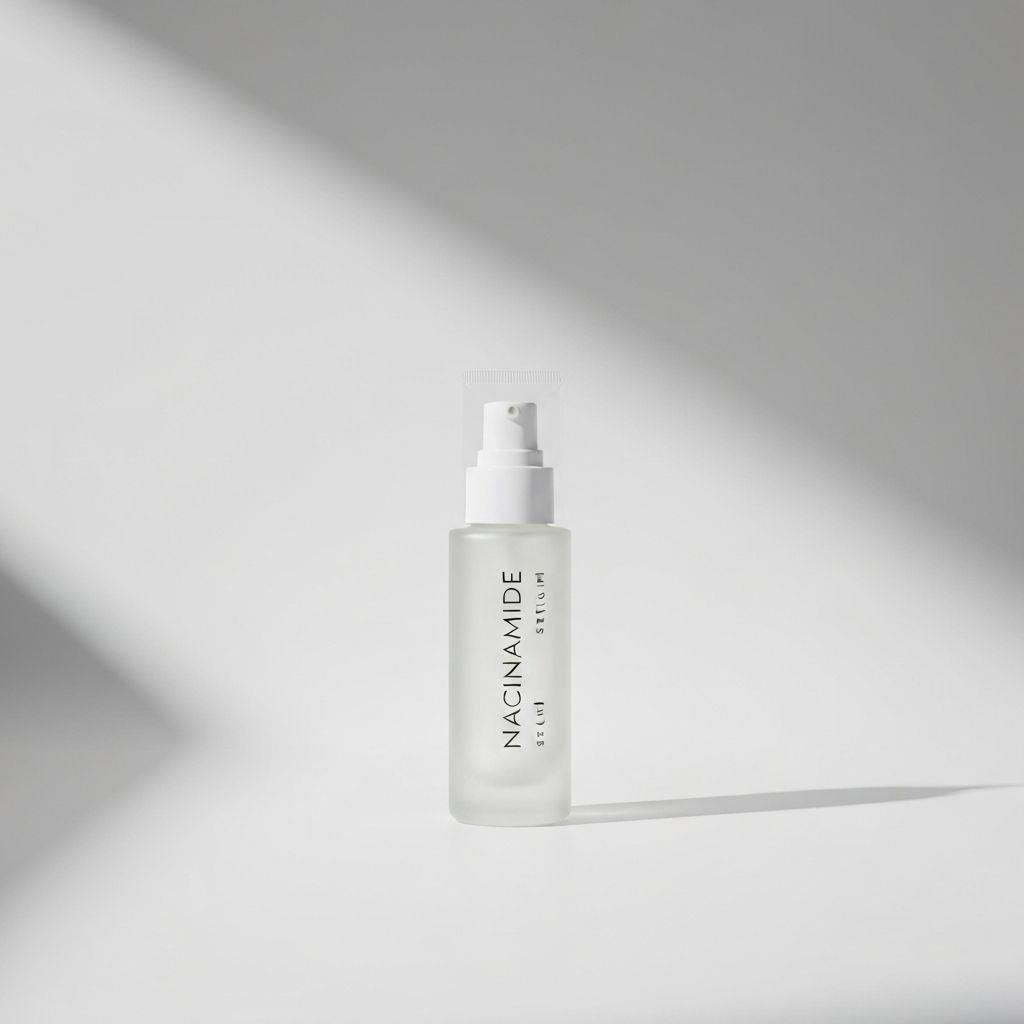
Niacinamide (79% dermatologist agreement)
Licorice Extract (Glycyrrhiza glabra)
Treatment Algorithm
Sample Hyperpigmentation Routine
Morning
Evening
The Bottom Line
Treating hyperpigmentation requires patience, consistency, and rigorous sun protection. Multiple mechanisms work better than single agents, and realistic timelines (months to years) help set appropriate expectations.
Enjoying this article?
Get weekly skincare insights delivered to your inbox. No spam, unsubscribe anytime.
Sources & References
Tags