Back to articles
Ingredients8 min readJanuary 9, 2025

Resveratrol & Polyphenols: Nature's Antioxidant Powerhouses

Polyphenols like resveratrol, green tea (EGCG), and ferulic acid provide potent antioxidant protection against photoaging and inflammation.

Dr. Sarah Chen

Dr. Sarah Chen

Board-Certified Dermatologist

Resveratrol & Polyphenols: Nature's Antioxidant Powerhouses

Resveratrol & Polyphenols: Nature's Antioxidant Powerhouses

Polyphenols are plant-derived compounds with 87-90% dermatologist support for their powerful antioxidant, anti-inflammatory, and photoprotective properties.

What Are Polyphenols?

Polyphenols are a diverse group of naturally occurring compounds found in plants. They neutralize free radicals, reduce inflammation, and protect against UV-induced damage.

Key Polyphenols for Skin

Polyphenol Source Primary Benefits
Resveratrol Grapes, berries Anti-aging, photoprotection
EGCG Green tea Antioxidant, anti-inflammatory
Ferulic Acid Rice bran, oats Stabilizes Vitamin C, UV protection
Quercetin Apples, onions Anti-inflammatory, barrier support
Ellagic Acid Pomegranate Brightening, collagen protection

Resveratrol Deep Dive

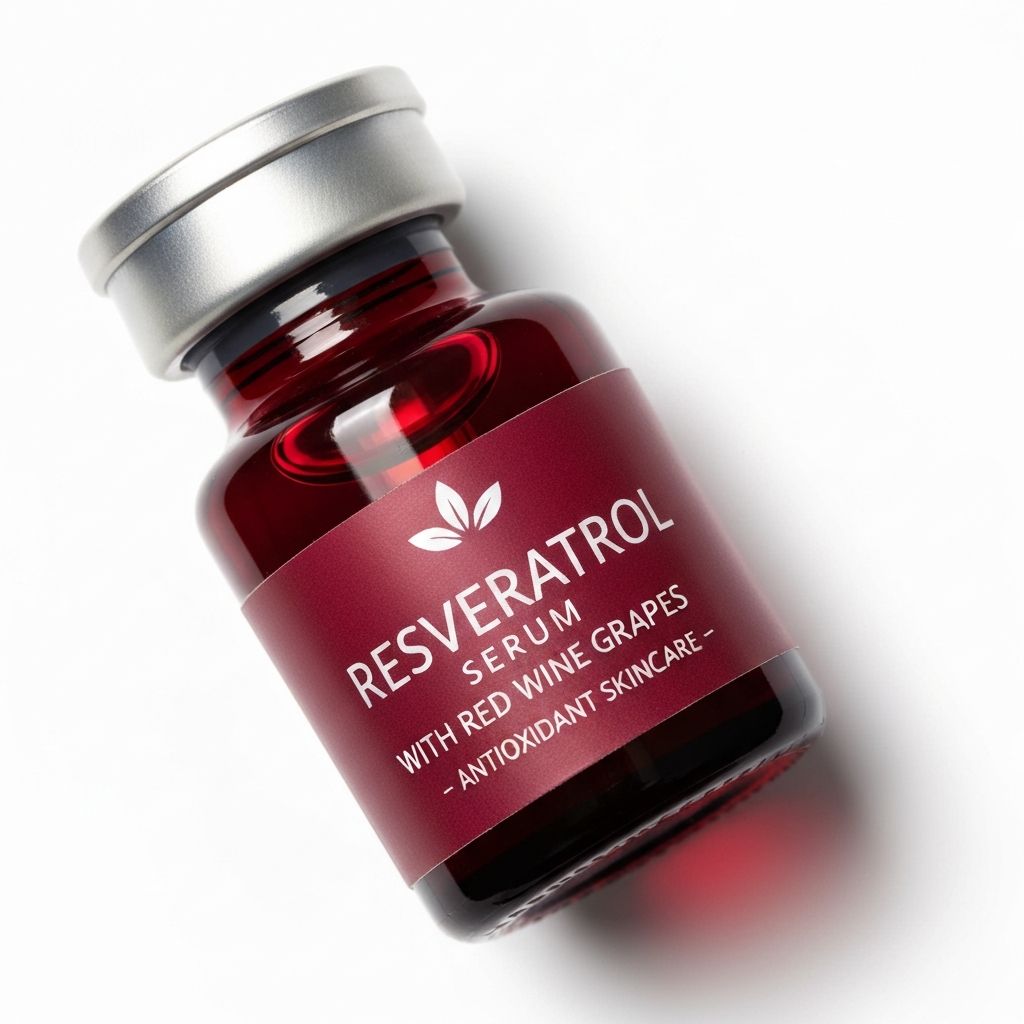
Resveratrol is the "star" polyphenol, famously found in red wine. In skincare:

Benefits

  • Activates sirtuins - longevity genes that protect cells
  • Neutralizes free radicals - prevents oxidative damage
  • Inhibits melanogenesis - helps with hyperpigmentation
  • Anti-inflammatory - reduces redness and sensitivity
  • Stability Concerns

    Resveratrol is notoriously unstable. Look for:

  • Encapsulated formulations
  • Airless pump packaging
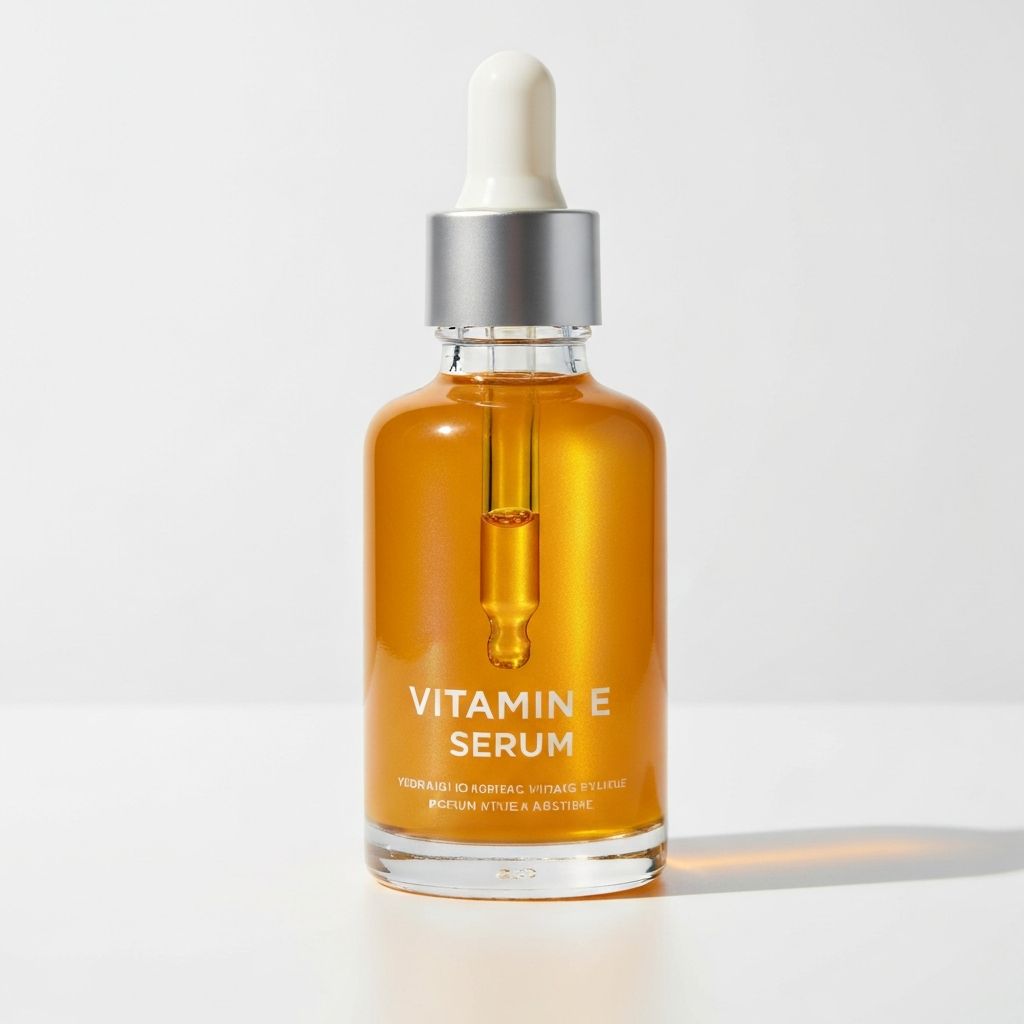
  • Combination with Vitamin E (stabilizes resveratrol)
  • Green Tea (EGCG)

    Epigallocatechin gallate (EGCG) is green tea's most potent polyphenol:

  • 200x more antioxidant power than Vitamin E
  • Reduces UV-induced DNA damage
  • Anti-inflammatory for conditions like rosacea
  • May help with acne by reducing sebum
  • Ferulic Acid

    A key supporting player:

  • Stabilizes Vitamin C and E in formulations
  • Provides its own UV-absorbing properties
  • Enhances overall antioxidant efficacy by 2x
  • How to Use Polyphenols

  • Apply in the morning for daytime antioxidant protection
  • Layer under sunscreen - they complement UV filters
  • Look for stable formulations - dark bottles, airless pumps
  • Combine with Vitamin C and E for synergistic benefits
  • The Bottom Line

    Polyphenols are valuable additions to any anti-aging routine. While they may not replace retinoids, they provide essential antioxidant support that protects your skin from environmental damage.

    Enjoying this article?

    Get weekly skincare insights delivered to your inbox. No spam, unsubscribe anytime.

    Tags

    resveratrolpolyphenolsgreen teaferulic acidantioxidantanti-aging

    Get smarter about skincare

    Join 15,000+ readers who get our weekly newsletter with ingredient breakdowns, routine tips, and myth-busting content. No spam, just science.

    Unsubscribe anytime. We respect your inbox.