Back to articles
Ingredients8 min readJanuary 12, 2025

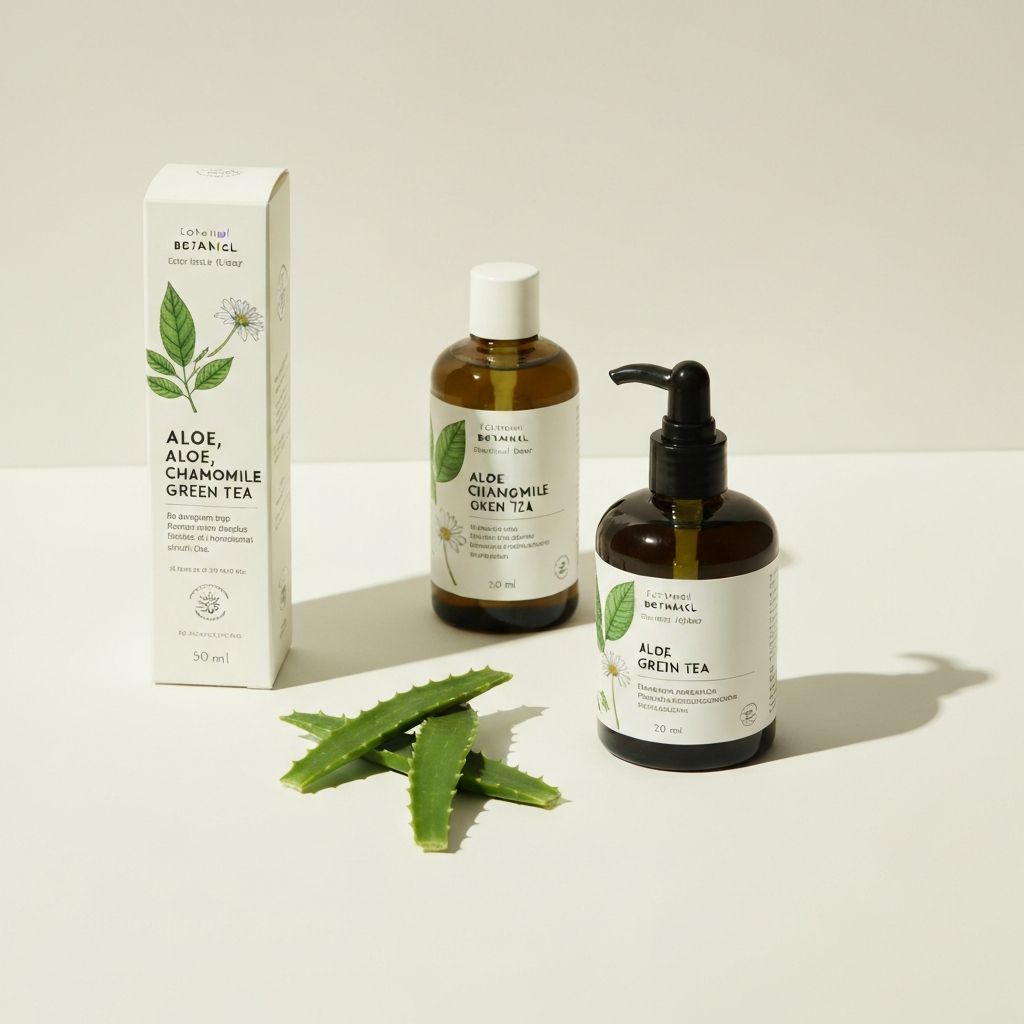
Botanical Anti-Inflammatories: Aloe, Chamomile & Green Tea

Natural plant extracts like aloe vera, chamomile, calendula, and green tea soothe irritation and support healing with minimal side effects.

Dr. Sarah Chen

Dr. Sarah Chen

Board-Certified Dermatologist

Botanical Anti-Inflammatories: Aloe, Chamomile & Green Tea

Botanical Anti-Inflammatories: Aloe, Chamomile & Green Tea

Botanical anti-inflammatories have 86-90% dermatologist support for soothing irritated skin, reducing redness, and supporting wound healing naturally.

Why Botanicals Work

Plants have evolved complex defense mechanisms against environmental stress. Many of these compounds—polyphenols, flavonoids, terpenoids—translate into skin benefits when applied topically.

Top Botanical Anti-Inflammatories

Aloe Vera

The classic soothing ingredient:

  • Active compounds: Acemannan, anthraquinones, salicylic acid
  • Benefits: Wound healing, sunburn relief, hydration
  • Best for: Burns, irritation, post-procedure care
  • Concentration: Look for 10%+ aloe content
  • Chamomile (Bisabolol, Chamazulene)

    German chamomile is the skincare star:

  • Active compounds: Alpha-bisabolol, chamazulene, apigenin
  • Benefits: Anti-inflammatory, antibacterial, calming
  • Best for: Rosacea, eczema, sensitive skin
  • Note: Can cause contact allergy in those allergic to ragweed
  • Calendula (Marigold)

    Traditional wound healer:

  • Active compounds: Triterpenoids, flavonoids
  • Benefits: Wound healing, anti-inflammatory, antimicrobial
  • Best for: Cracked skin, minor wounds, diaper rash
  • Form: Often found in balms and ointments
  • Green Tea (Camellia Sinensis)

    Antioxidant powerhouse:

  • Active compounds: EGCG, catechins, polyphenols
  • Benefits: Antioxidant, anti-inflammatory, photoprotection
  • Best for: Anti-aging, rosacea, acne
  • Note: Most effective in stable, high-concentration formulas
  • Centella Asiatica (Cica)

    K-beauty favorite:

  • Active compounds: Asiaticoside, madecassoside
  • Benefits: Wound healing, collagen synthesis, barrier repair
  • Best for: Sensitive skin, post-procedure, acne scars
  • Forms: TECA, Madecassoside, Asiaticoside
  • Evidence Levels

    Botanical Evidence Level Best-Supported Uses
    Aloe Vera Moderate-Strong Burns, wound healing
    Green Tea (EGCG) Strong Antioxidant, photoprotection
    Centella Asiatica Strong Wound healing, barrier repair
    Chamomile Moderate Anti-inflammatory
    Calendula Moderate Wound healing

    How to Use Botanical Ingredients

  • Patch test first - plant allergies are possible
  • Check concentration - too low may be ineffective
  • Avoid fragranced versions - fragrance can irritate
  • Look for stable extracts - standardized extracts ensure potency
  • Cautions

  • Allergies: Those with plant allergies (ragweed, daisy family) may react to chamomile and calendula
  • Quality varies: Not all botanical extracts are equal
  • Not miracle cures: Support skin health, but won't replace medical treatment
  • The Bottom Line

    Botanical anti-inflammatories are gentle, effective options for calming irritated skin. While they may not replace pharmaceutical treatments for serious conditions, they're valuable tools for everyday skin soothing and support.

    Enjoying this article?

    Get weekly skincare insights delivered to your inbox. No spam, unsubscribe anytime.

    Tags

    aloe verachamomilegreen teacalendulacentellabotanicalanti-inflammatory

    Get smarter about skincare

    Join 15,000+ readers who get our weekly newsletter with ingredient breakdowns, routine tips, and myth-busting content. No spam, just science.

    Unsubscribe anytime. We respect your inbox.