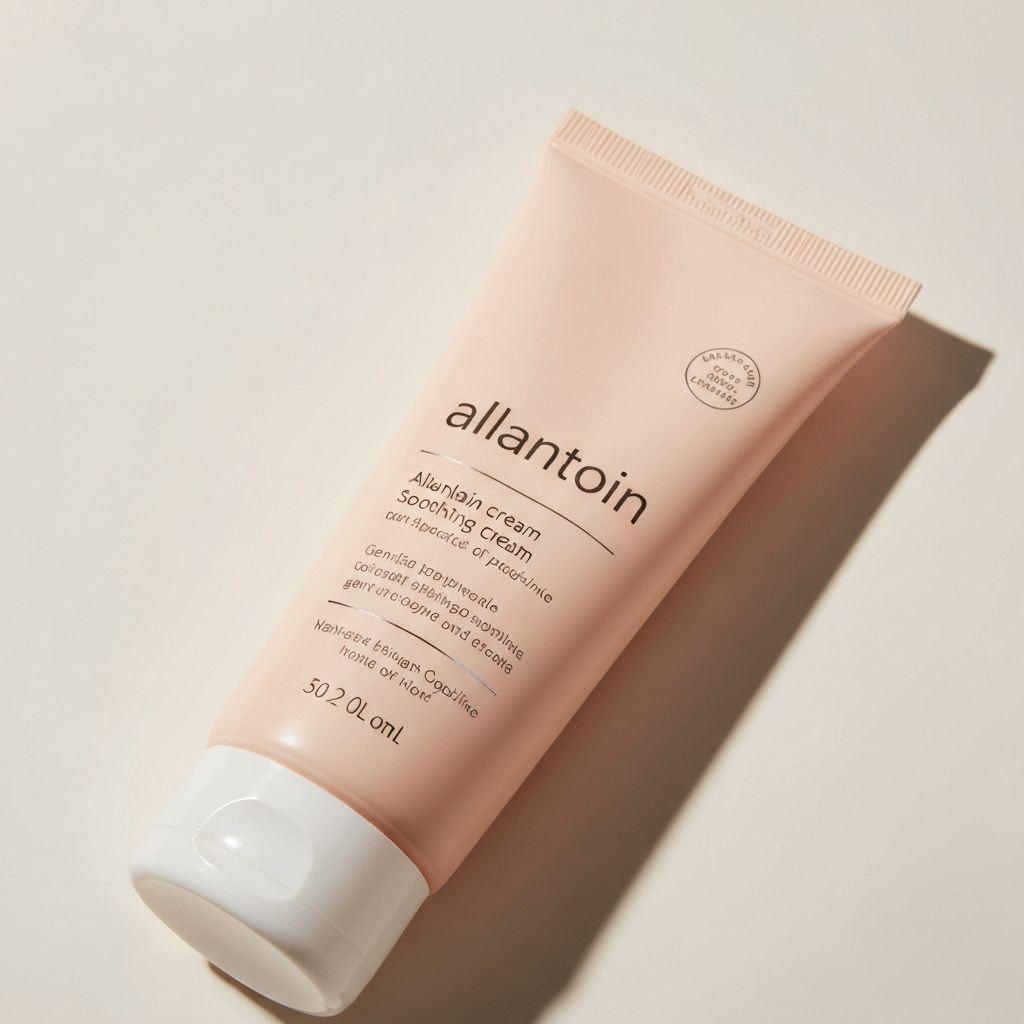
Allantoin: The Gentle Skin Healer
Allantoin has 86-90% dermatologist support as a soothing, healing ingredient that improves skin texture and comfort with virtually no irritation risk.
What is Allantoin?
Allantoin is a compound found naturally in comfrey root, chamomile, and wheat sprouts. In skincare, it's typically synthesized for purity and consistency.
Key Benefits
1. Soothing & Anti-Irritant
Allantoin calms skin irritation from various sources—environmental stressors, harsh products, or skin conditions.
2. Promotes Healing
It supports cell proliferation and tissue repair, helping skin recover from minor damage.
3. Mild Keratolytic
Allantoin gently softens keratin, the protein in dead skin cells, helping to smooth rough texture without harsh exfoliation.
4. Moisturizing
By helping skin retain water and supporting barrier function, allantoin improves overall hydration.
Clinical Applications
| Use Case | How Allantoin Helps |
|---|---|
| Post-procedure | Supports healing after peels, lasers |
| Eczema/dermatitis | Reduces irritation and promotes repair |
| Acne | Soothes inflammation without clogging |
| Dry/rough skin | Gently smooths texture |
| Sensitive skin | Calms reactivity |
The "Supporting Actor" Role
Allantoin isn't a "hero" active—it's the supporting cast that makes everything work better:
How to Use
Who Benefits Most?
The Bottom Line
Allantoin may not be glamorous, but it's a reliable, effective ingredient that improves skin comfort and healing. Look for it in your products—its presence indicates a thoughtfully formulated product.
Enjoying this article?
Get weekly skincare insights delivered to your inbox. No spam, unsubscribe anytime.
Sources & References
Tags