Plant Oils for Barrier Support: Choosing the Right One
Plant oils rich in essential fatty acids have 85-90% dermatologist support for improving dryness, elasticity, and barrier function.
Why Plant Oils Matter
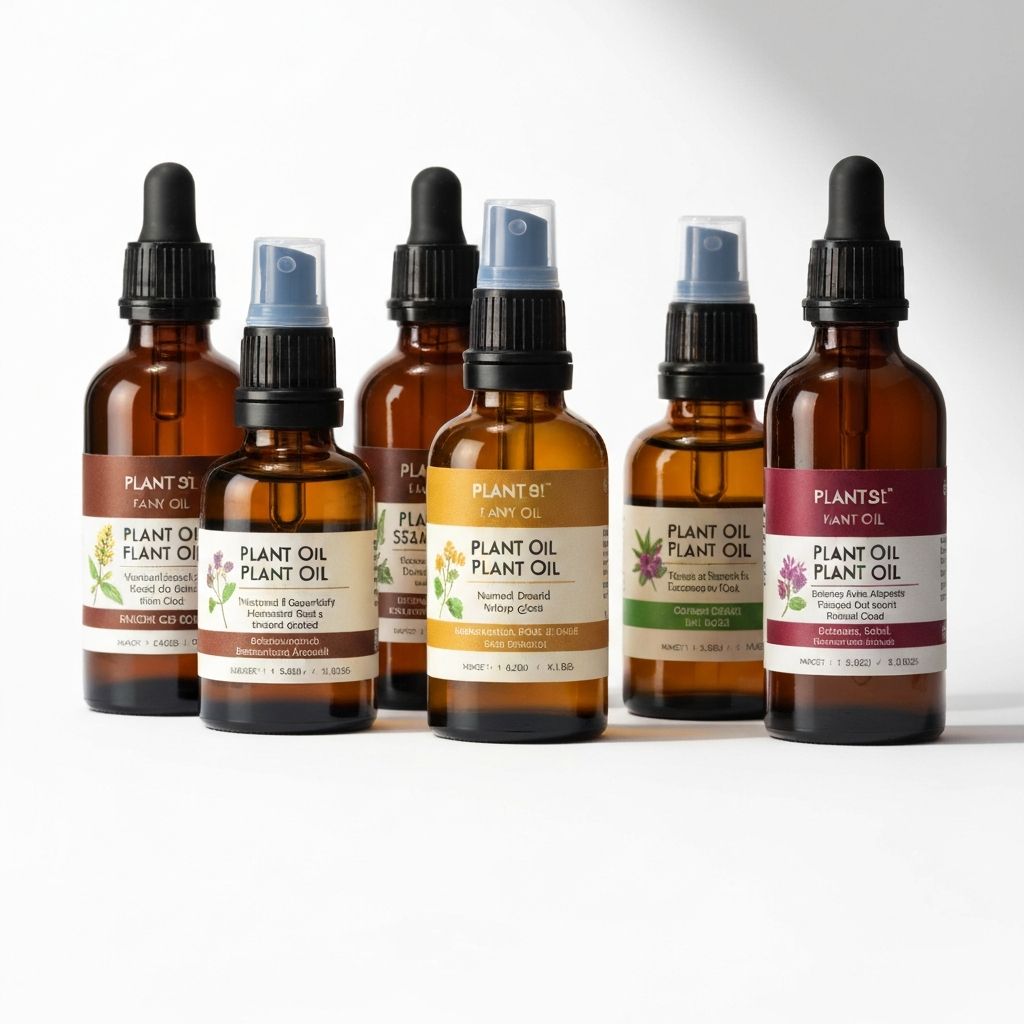
Your skin barrier requires a balanced mix of lipids—ceramides, cholesterol, and fatty acids. Certain plant oils can supplement these lipids, especially for dry or compromised skin.
Top Barrier-Supporting Oils
| Oil | Key Fatty Acids | Best For |
|---|---|---|
| Borage Seed | GLA (gamma-linolenic acid) | Eczema, severe dryness |
| Evening Primrose | GLA, linoleic acid | Inflammatory conditions |
| Sea Buckthorn | Omega-7, vitamins A/E | Damaged, mature skin |
| Hemp Seed | Perfect omega 3:6 ratio | Balanced hydration |
| Rosehip | Linoleic acid, vitamin A | Scars, hyperpigmentation |
| Jojoba | Wax esters (similar to sebum) | All skin types, acne-prone |
| Squalane | Squalene (natural to skin) | Lightweight hydration |
Understanding Fatty Acids
Linoleic Acid (Omega-6)
Oleic Acid (Omega-9)
GLA (Gamma-Linolenic Acid)
How to Choose the Right Oil
For Acne-Prone Skin
Choose high-linoleic, low-oleic oils:
For Dry/Mature Skin
Choose richer, oleic-acid oils:
For Sensitive/Eczema-Prone Skin
Choose GLA-rich oils:
How to Use Plant Oils
Cautions
The Bottom Line
Plant oils are valuable tools for barrier support, but choosing the right one matters. Match the oil's fatty acid profile to your skin type for best results.
Enjoying this article?
Get weekly skincare insights delivered to your inbox. No spam, unsubscribe anytime.
Sources & References
Tags