Ceramides: Essential for Barrier Function
Ceramides are sphingolipids that constitute 40-50% of the stratum corneum's lipid matrix—the "mortar" in the skin's "brick and mortar" barrier structure.
The C.C.F. System
Optimal barrier function requires all three components in the right ratio:
| Component | Percentage | Function |
|---|---|---|
| Ceramides | 40-50% | Main structural lipid |
| Cholesterol | 25% | Maintains fluidity and stability |
| Free Fatty Acids | 10-15% | Supports barrier integrity |
Types of Ceramides
Most effective products contain multiple ceramide types:
Clinical Significance
Atopic Dermatitis
Marked ceramide deficiency—50% reduction in some studies—contributes to impaired barrier function.
Aging
Natural ceramide decline leads to increased TEWL (transepidermal water loss), contributing to dryness and fine lines.
Barrier Dysfunction Diseases
Reduced ceramides found in:
Mechanism of Action
Ceramides work by:
How to Use Ceramide Products
Best Product Types
Synergistic Pairings
When to Prioritize Ceramides
Signs of Ceramide Deficiency
The Bottom Line
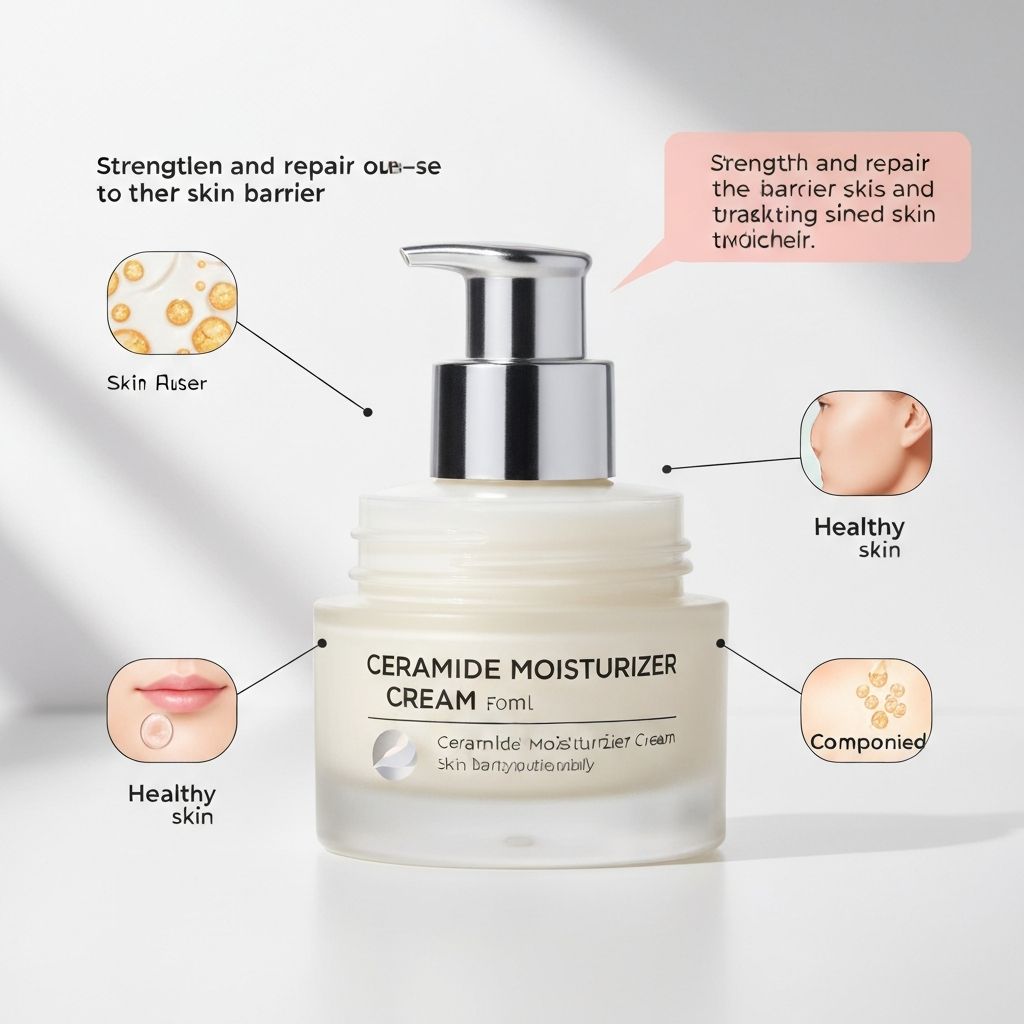
Ceramides are essential for a healthy, functional skin barrier. Look for products with the complete C.C.F. ratio (ceramides, cholesterol, fatty acids) for optimal barrier repair and maintenance.
Enjoying this article?
Get weekly skincare insights delivered to your inbox. No spam, unsubscribe anytime.
Sources & References
Tags